Learn one to one
Individual online coaching shaped around your pace, goals, and next challenge.
Explore private lessons ↗Free Academy Chess Lab
Play the computer or challenge another visitor online, practise important skills, or try a short foundation skills check. No account or payment is required.
Free play and the short skills check are for practice and a suggested starting point—not a formal rating or final class placement.
A place at the board
Personal attention, shared discoveries, and programs that meet learners where they are.
Individual online coaching shaped around your pace, goals, and next challenge.
Explore private lessons ↗Friendly online sessions for ages 6–10 and 11–15, with opportunities to learn together.
Explore group classes ↗Chess enrichment for schools and community groups, built around your setting.
Explore school programs ↗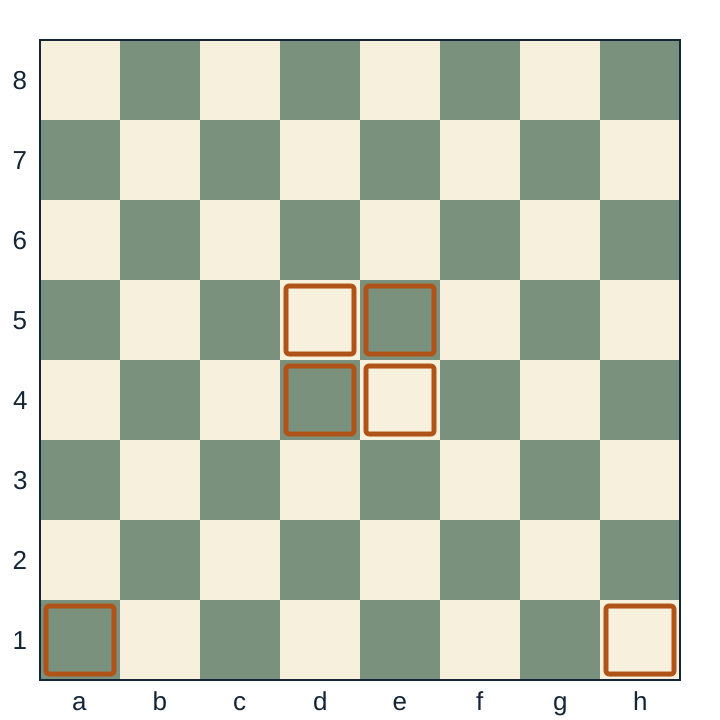 From the Young Minds curriculum
A clear path, one lesson at a time
Our Young Minds curriculum introduces chess through a structured sequence of 52 lessons. Clear board activities give children space to explore each idea.
Homework and plain-language parent guidance help learning continue between lessons—even when the grown-ups are new to chess too.
Meet the learning materials ↗The learning experience
Get to know the board, the pieces, and the reasons behind a move.
Put ideas into action with guided play, questions, and board activities.
Talk through decisions, learn from mistakes, and take the next step with encouragement.
Beyond the game
The Young Minds pathway connects what children learn, what they practise, and the feedback families receive.
Each Young Minds lesson has a digital assignment with questions and practical board work matched to the idea taught.
Depending on the lesson and agreed format, the academy provides work for electronic or paper completion and guardian return. Assignment files use an Academy learner code rather than a child's name.
An instructor reviews practical work, approves the official result, and can document a correction when a family raises a possible marking error.
Good questions
No. Beginners can start with the board and pieces. A complimentary evaluation helps us recommend a suitable starting point.
Yes. The Young Minds parent guide explains the ideas in plain language. Parents can read questions aloud and encourage children to explain their thinking.
Private and group coaching are available online. Contact us about in-person school and community programs and local availability.
Send an enquiry through our contact page. We’ll discuss your learner’s experience, goals, and available class options before you choose a program.
Your next move
Tell us a little about your learner. We’ll help you choose a program.